



වෛශාඛ වේසාඛ වෙසක් ලෝකයෙහි සකල බෞද්ධයන්ගේ ශ්රේෂ්ඨතම දිනය නම් වෙසක් දිනයයි.වෙසක් උත්සවය ලෝකවාසී බෞද්ධයින් උත්සවශ්රීයෙන් සමරනු ලබයි.මේ ලිපිය අපරටේ වෙසක් උළෙලේ සම්භවය ගැන පළවූ විචාරාත්මක ලිපියකි.
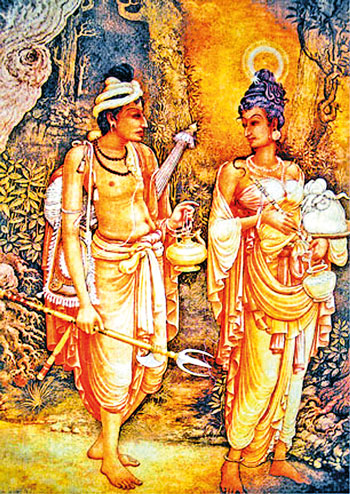
ශ්රීනාත් ගණේවත්ත – Lankadeepa lk Features කතෘ මණ්ඩලය 2023 මැයි මස 02
ලෝකයෙහි සකල බෞද්ධයන්ගේ ශ්රේෂ්ඨතම දිනය නම් වෙසක් දිනයයි.වෙසක් උත්සවය ලෝකවාසී බෞද්ධයින් උත්සවශ්රීයෙන් සමරනු ලබයි.මේ ලිපිය අපරටේ වෙසක් උළෙලේ සම්භවය ගැන පළවූ විචාරාත්මක ලිපියකි
ඒ කවර හෙයින් ද යත් බෞද්ධයන් ගේ ශාස්තෘවරයාණන් වන සිද්ධාර්ථ ගෞතමයන් ගේ උත්පත්තිය, සම්බුද්ධත්වය, පරිනිර්වාණය යන සිද්ධි තුන ම මෙ දින සිදු වූ බව සැලැකෙන හෙයිනි.
ලංකාවාසීනට විශේෂයෙන් ම වෙසක් දිනය ඉතා වැදැගත් වේ. මහාවංසයෙහි පැවැසෙන පරිදි,
පතිට්ඨිස්සති, දේවින්ද ලංකායං මම සාසනං
(තස්මා සපරිවාරන්තං) රක්ඛ ලංකඤ්ච සාධුකං
යැයි බුදුහු පරිනිර්වාණ මඤ්චකයෙහි වැඩහිඳ ශක්ර දේවේන්ද්රයාට ලංකාවෙහි තම (බුද්ධ) ශාසනය පිහිටන බව පවසා ලංකාව රැක්ම බාර කළ හ. මහාවංසයෙහි ම පැවැසෙන පරිදි බුදුහු තෙ වරක් ලක්දිවට වැඩම කළ හ; යක්ෂයන් පලවා මෙ රට මනුෂ්ය වාසයට සුදුසු කළ හ. උපභෝග පරිභෝග වස්තු ලංකාවාසීනට දුන් හ; මෙ අනුව, බුදුන් විසින් ම ලක්දිවට බුදු සමය හඳුන්වා දෙනු ලැබිණි යි සිතීම වරදක් නො වේ. එ වුව ද, බුදු සමය මෙ රට මුල් බැස ගත්තේ, රාජ්යානුග්රහය ලද්දේ මිහිඳු මහ තෙරුන් ගේ පැමිණීමෙන් පසු ව බව ඓතිහාසික වශයෙන් පිළිගැනේ.
වෙසක් දිනය පූජෝත්සවයක් ලෙසින් සැමැරීම ද මිහිඳු මහ තෙරුන් විසින් බුදු සමය පිහිටුවාලනු ලැබීමෙන් පසු වැ ඇරැඹුණු බව නිසැක ය. එ පිළිබඳ වැ විමසන්නට පෙර ‘වෙසක්’ වදන කෙසේ ප්රභව වූවක් දැයි කෙටියෙන් හෝ විමැසිය යුතු වේ.
ඓතිහාසික නිරුක්ති කථනය අනුව, සංස්කෘතයෙහි වෛශාඛ යනු ද පාලියෙහි වේසාඛ යනු ද සිංහලයෙහි යෙදෙන්නේ වෙසක් යනුවෙනි. වෛශාඛ යනු අරුත් කිහිපයකින් යුත් වදනෙකි. එහි ප්රමුඛාර්ථය නම් භාරතීය චන්ද්ර මාස ක්රමය අනුව දෙවන මාසය යි. එ මස යෙදෙන පුන් පොහෝ දින ද එ නමින් ගැනේ. එ නම් වෙසක් පොහෝ දින යි. පාලියෙහි වේසාඛ යනු ද මෙ අරුත්හි ම යෙදේ. සිංහලයෙහි වෙසක් යනු ද මෙ අරුත් මෙසේ ම දෙයි. වෙසක්, වෙසග වෙසඟ යන රූප තුනෙකින් ඉතා පැරැණි කල්හි සිට සිංහලයෙහි මෙය ඇත්තේ ය.
සිංහල ප්රාකෘත නමින් භාෂාඥයන් විසින් සලකනු ලබන අවධියෙහි පටන් සිංහල ව්යවහාරයෙහි මෙ වදන යෙදුණු අයුරු දක්නා ලැබේ. පූර්ව බ්රාහ්මී නමින් හඳුන්වනු ලබන ලේඛනවල මෙය නොදක්නා ලැබෙතුදු අපට බ්රාහ්මී ලේඛනවල දක්නා ලැබේ. නිදසුනක් ලෙස, (දෙ වන භාතික තිස්ස රජ සමයට අයත් යැයි පරණවිතානයන් විසින් සැලැකෙන) කොක්එබේ පර්වත ලිපියෙහි මහාගාමයෙහි භෝජක අය සගය (අයභ සංඝ) ගේ දුව වූ තලතා ලචි විසින් කරන ලද ප්රදානයන් දක්වන අතර,
…පුවය බතිය තිස මහරජහ වත ලගිත පඩම අවනකහි වෙසක චද පුණමසෙ චත දිවස…
යන යෙදුම දක්නා ලැබේ. මෙහි වෙසක චද නම් වෛශාඛ චන්ද්රයා (වෙසක් සඳ) යි.
මෙයට වඩා මෑත කල්හි, එ නම් ක්රිස්තු වර්ෂයෙන් දස වන සියවසට අයත් යැ යි සැලැකෙන කතරගම සෙල්ලිපිවලින් එකෙක, කපුගම පිරිවෙනට කැරුණු ප්රදානයක් දක්වන අතර,
…දාපුල් මහ රද්හු සත් ලැඟු සවන හවුරුදුයෙහි වෙස ගැ පුන් සන්ද් පොහොහි කපුගම් පිරිවෙනට්…
යනු යෙදෙන දක්නා ලැබේ. මෙහි ‘වෙසගැ පුන් සන්ද් පොහොහි යනුයෙන් වෙසක් මස පූර්ණ චන්ද්රයා උදා වන පොහෝ දිනය හෙවත් වෙසක් පසළොස්වක අදහස් කැරේ. තව ද, පුරාතන අභිලේඛන කිහිපයෙක වෙසක් යනු ද ඒ හා සමාන්තර වචන ද යෙදී ඇති බව දැකිය හැකි ය.
ග්රන්ථාගත සාහිත්යයෙහි ද වෙසක් හා සම වදන් මධ්යතන අවධියෙහි පටන් දක්නා ලැබේ. සාමාන්යයෙන් පොලොන්නරු සමයට අයත් යැ යි ගැනෙන අමාවතුරෙහි ස්වසන්තාන දමන නම් පරිච්ඡේදයෙහි,
…සිනිඳු අහරින් සිරිරු සතපාගෙනැ වෙසඟ පුනු පොහෝ දවස් පස් මහ සිහින දැකැ විචාරා…
යනු ද, එහි ම
වෙසඟ පුනු පොහෝ දවසැ උදයැ මැ නැඟී ඒ අට දෙනුන් කිරි දෝනා සඳහා මුදාලු…
යනු ද යෙදී ඇත.
මේ යෙදුම් අනුව නිගමනය කළ හැක්කේ සංස්කෘතියෙහි වෛශාඛ පාලියෙහි වේසාඛ යනු සිංහලයෙහි වෙසක් – වෙසග – වෙසඟ යනුවෙන් පරිණාමය වැ ඇති බව යි. වෙසක් යනු ඝෝෂාදේශයෙන් වෙසග (වෙසග්) වී යළි නාසික්යාගමයෙන් වෙසඟ වෙයි. වර්තමාන ව්යවහාරයෙහි ‘වෙසග (වෙසග්) යනු නො යෙදේ. වෙසක්, වෙසඟ යනු යෙදේ.
මෙ රට බුදු සසුන පිහිටැවීමෙන් පසු වෙසක් දිනය මහත් ශ්රද්ධා භක්ති පූර්වක ව සමරන ලද හයි සිතිය හැකි ය. මෙ රට මතු නොව භාරතයේ පවා වෙසක් දිනය උත්සවශ්රීයෙන් සැමැරුණු බව ඓතිහාසික මූලාශ්රවලින් පෙනේ. පාහියන් හිමියන් විසින් වර්ණිත, බුදු පිළිම, බෝසත් පිළිම, දෙව් පිළිම සහිත වූ අතිශය විචිත්ර ආකාරයෙන් පැවැත්වුණු පෙරහරක් වෙසක් උලෙළ වෙනුවෙන් පවත්වන ලද්දකැයි වල්පොළ රාහුල ස්වාමීන්ද්රයෝ සිතති. පාහියන් හිමියන් පවසන පරිදි, මේ පූජෝත්සවය සියලු බෞද්ධ රාජ්යවල සමාන වැ පැවැත්වේ.
පාහියන් විසින් දුටු පූජෝත්සවය ක්රි.ව. පස් වන සියවසේ දී පවත්වන ලද්දෙකි. එයට බොහෝ පෙර ක්රි.පූ. පළමුවන සියවසේ දී ලක්දිව වෙසක් පුද උලෙළ පැවැත්වුණු බව මහාවංසයෙහි දැක්වේ. ඒ, දුටුගැමුණු රාජ්ය කාලයෙහි ය. එ වුව ද, එයට ද පෙර එබඳු වෙසක් උළෙලවල් නිසැක වැ ම පැවැත්වෙන්නට ඇතැ යි දෙවන පෑතිස් කල පටන් දුටුගැමුණු කල තෙක් ඉතිහාසය මැනැවින් පිරික්සන විට පෙනී යයි.
දුටුගැමුණු රජු පැවැත්වූ වෙසක් පුද උලෙළ වුවද මහා වංසයෙහි සවිස්තර වැ නො පැවැසේ. මරණ මඤ්චකයෙහි වැදහොත් එ රජු ගේ පින් පොත කියවන කල ‘මහ වෙසක් පුද සූවිස්සක් කරන ලදී’
(මහාවෙසාඛ පූජා ච චතුවීසති කාරයිං) යි කියූ බව පැවැසේ. එ පුද කෙ බඳු වී දැයි එයින් දත නොහැකි ය. එ වුව ද එයින් මතු වන වැදැගත් කරුණක් නම් ගැමුණු රජු රජව පත්වීමෙන් ඉක්බිති හැම වසරෙක ම වෙසක් උලෙළක් පවත්වන්නට ඇති යැ යනු යි. ඔහු ගේ රාජ්ය වර්ෂ ගණන ද විසි හතරක් වීම එ බව තිර කරන කරුණෙකි.
අනුරාධපුර අවධියෙහි දී ම, තව ද රජවරු දෙදෙනෙක් මෙ සේ ස්වකීය රාජ්ය වර්ෂ සංඛ්යාව හා සමාන වන පරිදි වෛශාඛ පූජෝත්සව පැවැත්වූ හ. ඒ, භාතිකාභය, වසභ යන රජවරු දෙදෙනායි. ඔවුනතුරින් භාතිකාභය රජ වෙසක් පුද විසි අටක් පවත්වා එ බඳු ම කලක් රජ තනතුරෙහි සිටියේ ය.
මහා වෙසාඛ පූජා ච – උළාරා අට්ඨවීසති
චතුරාසීති සහස්සානි – පූජා ච අනුළාරිකා
යි මහාවංසයෙහි භාතිකාභය රජු ගේ පූජා ගැන දැක්වේ. ඔහු ගේ ශ්රද්ධාවන්ත භාවය ද බුද්ධශාසන විෂයක වැ කරන ලදහ යි කියැවෙන අතිමහත් පූජා සම්භාරය ද සලකන කල්හි එ සේ හැම රාජ්ය වර්ෂයෙක ම වෛශාඛ පූජා පැවැත්වීම කිසි සේත් අතිශයෝක්ති සහගත කාරණයක් විය නොහැකි ය.
අනුරාධපුර අවධියෙහි තවත් බොහෝ රජුහුදු වෙසක් පුද පැවැත්වූ අයුරු මහාවංසයෙහි පැවැසේ. වසර විසි දෙකක් රජ බවෙහි සිටි වෝහාරතිස්ස රජු ද මහ වෙසක් පුද පවත්වා ලක්වැසි සියලු භික්ෂු සංඝයාට තුන් සිවුරු පුද දුන් බව කියැවේ. ගෝඨාභය හෙවත් මේඝවර්ණාභය රජ තෙමේ මහමෙවුනා උයන්හි මහා වෛශාඛ පූජා පැවැත්වූ බව දීපවංසයෙහි ද පැවැසේ. ඔහු සඟුන් තිස් දහසක් දෙනට එ වෙනුවෙන් සිවුරු පුද දුන් බව මහාවංසයෙහි පැවැසේ. එ රජු මෙන් ම ජෙට්ඨතිස්ස රජු ද වෛශාඛ පූජාවෙහි දි තිස් දහසක් සංඝයා වෙත සිවුරු පිදූ බව දැක්වේ. අනුරාධපුර පශ්චිම අවධියෙහි වෙසක් පුද පැවැත්වූ තවද රජ කෙනකු වනුයේ දළ මුගලන් (දල්ල මොග්ගල්ලාන) යි. ඒ ගැන පවසන තන්හි දී
සබ්බ වෙසාඛ පූජාදිං – චාරිත්තානුගතං අකා
ධම්මකම්මෙන සොධෙයි – සබ්බං සුගතසාසනං
යි දැක්වෙන පරිදි වෙසක් පුද පැවැත්වීම රජවරුන් ගේ අඛණ්ඩ චාරිත්රයක් විය. මෙ අනුව, මහාවංසයෙහි නම් කොට දක්වා ඇති රජවරුන් මතු නො ව අන් රජවරුනුදු වෙසක් පුද පැවැත්වීම කළ හ යි සිතිය හැකි ය.
වෙසක් පුද උලෙළ පැවැත්වූ තව ද රජ කෙනකු වනුයේ දෙ වන සේන යි. අනෙක් රජවරුන් මේ පුද පැවැත්වූ බව විනා කෙසේ පැවැත්වූවා ද යන්න නො පැවැසේ. එ වුව ද, මෙ රජු වෙසක් පුද පැවැත්වූ අයුරු
වෙසාඛකීළං කීළිත්ථ – සද්ධිං දුග්ගතකෙහි සො
අන්නපානඤ්ච වත්ථං ච – තෙසං දත්වා යථාරුචිං
යනුවෙන් මහාවංසයෙහි පැවැසෙන පරිදි, ඔහු දුගීනට ඔවුන් කැමැති අයුරින් අහර පැන් ද ඇඳුම් ද දීමෙන් මෙ උලෙළ පවත්වා ඇත. මෙහි එන ‘වෙසාඛකීළං කීළිත්ථ’ යන්න අනුව ක්රීඩෝත්සවයෙක ආකාරයෙන් උත්කර්ෂවත් වැ මෙ රජු විසින් වෙසක් උලෙළ පැවැත්වුණු බව සිතිය හැකි ය.
අනුරාධපුර අවධියෙන් පසු වැ රාජ අනුග්රහයෙන් වෛශාඛ පූජා පැවැත්වූ බවක් පැහැදිලි වැ නො පැනේ. එ වුව ද, මහා පරාක්රමබාහු රජු කළ මහ පින්කම් අතර වෙසක් උලෙළ ද ගැනේ. පූජාවලියෙහි …හවුරුදු පතා මලුකමක්, දළදා පූජාවක්, තුලාභාරයක්, වෙසක් කෙළියක්, දිය කෙළියක් යනාදී වූ සූ සැට මඟුල් කොට…යන පැවැසුමෙන් එ බව පැහැදිලි වේ. මෙහි දු වෙසක් කෙළියක් යැයි දක්වා ඇතියෙන් ඒ රජු ද මහෝත්කර්ෂයෙන් වෙසක් පුද පවත්වා ඇතැ යි පෙනේ.
දඹදෙණි අවදියෙහි දී රජුන් වෙසක් උලෙළ පැවැත්වූ බවට ඉඳුරා සාක්ෂ්ය නැති වුව ද දෙවන පැරැකුම්බා රජු අතිවිචිත්ර ලෙස පවත්වා ඇති බොහෝ පින්කම් පිළිබඳ වර්ණනනාත්මක ප්රවෘත්ති අනුව ඔහු විසින් වෙසක් උලෙළ ද පවත්වන්නට ඇතැයි නිසැක වැ සිතිය හැකි ය.
පසු කල්හි රජුන් වෙසක් උලෙළ පවත්වනු පිණිස උත්සුක වූ අයුරු ඉතිහාසයෙහි නො දැක්වේ. එය රාජකීය අනුග්රහයෙන් අනුක්රමයෙන් ගිලිහී ගොස් මහජනයාගේ උලෙළක් බවට පත් වූ අයුරු පෙනී යයි. ක්රෛස්තව සංස්කෘතිය ආශ්රයෙන් සකස් වැ ගත් බැති ගී (කැරොල්), සුබ පැතුම් පත්, නොයෙක් සැරැසිලි ආදිය එයට එක් ව දැන් පවත්නා පරිදි වෙසක් උලෙළ හැඩ ගැසී ඇත්තේ ය. යට කියැවුණු සේ, මෙ රට රජයත් බුදු සමයත් එකිනෙක බැඳී පැවැති අවදියේ දී වෛශාඛ පූජෝත්සවය ද රාජකීය කාර්යයක් ව පැවැතී ඇත.
ශ්රීනාත් ගණේවත්ත
(මෙම ලිපිය ලංකාදීප පුවත්පතේ 02.05.23 පළවූ ලිපියකි.එහි හිමිකම් සතුබව කරුණාවෙන් සළකන්න )
ප්රවීණ නළු ජී .ආර්.පෙරේරා රංගධරයාණෙනි ඔබට සුභ ගමන්.
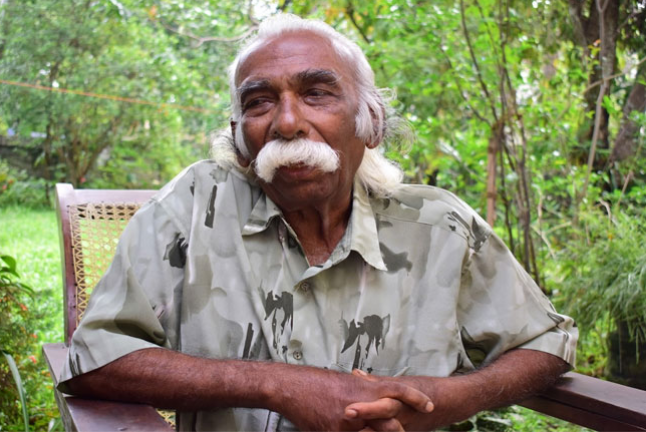
දශක පහකට අධික කාලයක් අපේ කලා කෙතතුළ අනුපමේය රංගනයක යෙදුණු නළුවෙකුවූ ජී.ආර්. පෙරේරා අද මැයි 1 දා සිය දිවිසරිය නිම කළේය. ඔහු අපේ සිනමාවේ වේදිකාවේ හා පුංචි තිරයේ ද (රුපවාහිනියේ ) දශක පහක පමණ කාලක් 600 අධික නිර් මාණ රැසක රඟපෑ ප්රවීණ නළුවෙකුවිය.කලක් සිය අසනීප තත්වය හේතුකර ගෙන රංගනයෙන් බැහැරව සිටියේය.ඔහු මිය යන විට 83 වෙනි වියෙහි පසුවුවා ය.
ඔහු ජී ආර්. නමින් කලාලොව හැඳින්වූ අතර ඔහුගේ සම්පුර්ණ නම ගල්හේනගේ රත්නපාල පෙරේරා නම් විය.ඔහු 1939 නොවැම්බර් 13 වැනිදා කිරුළපනේදී සිව් දෙනෙකුගෙන් යුත් පවුලේ වැඩිමලා ලෙස උපත ලැබීය. ඔහුගේ පියා ව්යාපාරිකයෙක් වූ අතර ඔහුගේ මව ගුරුවරියක් විය.පියා සුදුවට
නතුවිමනිසා ඔවුන් ගේ කුඩා කල දුක් ගැහැට රාශියකට ඔවුනටමුහුණ දිඅමට සිදුව තිබු බව කියවේ.ඔවුන් කිරුල පන අත්හැර බොරලැස්ගමුව එගොඩවත්තට මේ හේතුව මත පදිංචියට යාමට සිදුව තිබුණි..ඔහු අධ්යාපනය ලැබුවේ රත්තනපිටිය ආනන්ද විද්යාලයෙන් සහ කොළඹ 13, කොටහේන කුමර විද්යාලයෙනි.ඔහු පවුලේ වැඩි මහලු දරුවා විය.කුඩාකළ සිය මාමා කෙනෙකු ලඟද පසුව ආර්ථික අපහසුකම් අගහිඟකම් නිසා යාම පවා අතහැර දමා තිබුණි.කුඩාකළ ඔහු පවුල නඩත්තු කිරීමට සියපිය ගේ අභාවයෙන් පසු මවට සහාය වී තිබුනි.මෙකළ ආහාර පාන විකිණීමට ඔහුට සිදුව තුබූ අතර එකල ඔහුගෙන් කෑම ලබාගන්නට පැමිණි සමවයසේ තරුනයෙකුවූ තිස්ස අබේසේකරයන් ගේ ඇසුරට ඔහු නැඹුරුවී තිබු බව කියවේ.
ඔහුව රංගනයට හඳුන්වා දුන්නේ ඔහුගේ සමීප මිතුරෙකු මෙන්ම ප්රවීණ සිනමා හා නාට්යකරුවෙකු වූ තිස්ස අබේසේකර විසිනි. අබේසේකර පෙරේරා සහ ප්රේම රංජිත් තිලකරත්න, ධර්මසිරි වික්රමරත්න, වික්රම බෝගොඩ සමඟ එක්ව නාට්යවේදී සුගතපාල ද සිල්වා ප්රමුඛ “අපේ කට්ටිය” නමින් නාට්ය කණ්ඩායමක් පිහිටුවන ලදී. ඔවුන් එකතු වී ‘‘බෝඩිං කරයෝ’’ වේදිකා නාට්යයේ රඟපෑවේය. එම නාට්යය 1961 රාජ්ය නාට්ය උළෙලේ හොඳම නාට්යය ලෙස සම්මානයට පාත්ර විය. 1962 දී ධර්මසිරි වික්රමරත්න අධ්යක්ෂණය කළ ‘‘රන්තෝඩු’’ වේදිකා නාට්යයේ සුළු චරිතයක් රඟපෑවේය. 1963 දී ඔහු ප්රේමරංජිත් තිලකරත්නගේ කුළුඳුල් නාට්ය වන ‘‘වගුරු බිම’’ හි රඟපෑවේයඔහු වේදිකා නාට්ය හතක රඟපා ඇත
ඔහු සිනමා ජීවිතය ආරම්භ කළේ 1971 දී ඩී.බී. නිහාල්සිංහ අධ්යක්ෂණය කරන ලද වැලිකතර චිත්රපටයෙන් සුළු භූමිකාවක් සමඟය. ඔහුගේ පළමු ප්රධාන චරිතය පැමිණියේ ඔහුගේ වෘත්තීය ජීවිතයේ දෙවන චිත්රපටය වන මැණික් සඳරසාගර විසින් අධ්යක්ෂණය කරන ලද කළු දිය දහර චිත්රපටියෙනි. ඔහුගේ මංගල රූපවාහිනී රංගනය පැමිණියේ තිස්ස අබේසේකර අධ්යක්ෂණය කළ ‘‘තුන්කල් සිහිනය’’ කතාමාලාවෙන්. “දූ දරුවෝ” කතා මාලාවේ “මලකඩ බාස්” චරිතය ඔහුගේ ටෙලිනාට්ය ජීවිතයේ හැරවුම් ලක්ෂ්යය විය ඔහු ඉන්දියානු, ඇමරිකානු සහ ජර්මානු චිත්රපට තුනක් ඇතුළත් විදේශීය චිත්රපට හයකට රංගනයෙන් දායක වී ඇත
1980 දී ඔහු “කරුමක්කාරයෝ” චිත්රපටයේ චරිතය වෙනුවෙන් විචාරක සම්මානයක් දිනා ගත්තේය. 2007 දී ඔහු “චක්රායුදය” ටෙලි නාට්යයේ චරිතය වෙනුවෙන් හොඳම සහය නළුවාට හිමි සම්මානය දිනා ගත්තේය. රයිගම් ටෙලීස් හි වැඩිම ටෙලිනාට්ය සංඛ්යාවක රඟපෑම සඳහා ඔහු සම්මානයට පාත්ර විය.
ඔහුගේ බිරිඳ ටෙලිනාට්ය නිෂ්පාදකවරියක විය. මෙම යුවළට දියණියන් දෙදෙනෙකු සහ එක් පුතෙකු සිටි අතර ඔහුගේ බාල දියණිය වන යමුනා එරන්දතී ටෙලිනාට්ය නිළියක් වේ
ඉතා නිහඬ සේවාවක යෙදෙමින් අප රසිකයන් අමනාන්දනයට පත්කරමින් සිය ගමන් මග නිමාවට පත්කළ ප්රවීණ නළු ජී .ආර්.පෙරේරා රංගධරයාණෙනි ඔබට සුභ ගමන්.
ශාන්ත සේනාධීර –ලංකා නිවුස් යුකේ.
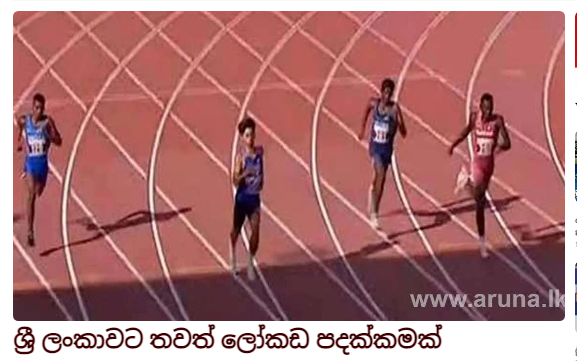
ශ්රී ලංකාවට තවත් ලෝකඩ පදක්කමක්
ARUNA LK NEWS 30/04/23
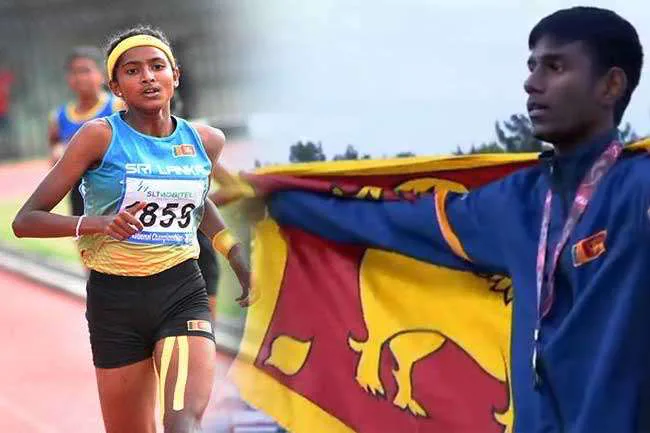
උස්බෙකිස්තානයේ පැවැත්වෙන ආසියානු යොවුන් මලල ක්රීඩා ශූරතා තරගාවලියේදී ශ්රී ලංකාව අද (30) තවත් ලෝකඩ පදක්කමක් දිනාගත්තේය.
අද පස්වරුවේ පැවති මීටර 400 කඩුලු මතින් දිවීමේ බාලක ඉසව්වට එක් වු අඹගමුව ජාතික පාසලේ අයෝමාල් අකලංක විසින් එම ලෝකඩ පදක්කම දිනා ගැනීමට සමත් විය.
ඒ තත්පර 51.40ක දක්ෂතාවක් වාර්තා කරමිනි.
මේ අතර ඊයේ පැවති මීටර 800 බාලිකා ධාවන ඉසව්වේ අවසන් තරගයට එක් වූ ගම්පොළ වික්රමබාහු ජාතික පාසලේ කසුනි නිර්මලී වික්රමසිංහ එහි ලෝකඩ පදක්කම දිනා ගැනීමට සමත්වුණි.
ඒ විනාඩි 2යි තත්පර 17.4ක දක්ෂතාවක් වාර්තා කරමිනි.
බාලක උස පැනීමේ ඉසව්වට ශ්රී ලංකාව නියෝජනය කරමින් එක් වූ දික්වැල්ල විජිත මධ්ය මහා විද්යාලයේ නිලුපුල් පැහැසර එම ඉසව්වේ රිදී පදක්කම දිනා ගත්තේය.
ඒ මීටර් 2.01ක දක්ෂතාවක් වාර්තා කරමිනි.
ශ්රී ලංකාවට රිදී සහ ලෝකඩ පදක්කම්
ARUNA LK NEWS
29/04/23 – an hour ago
2023 ආසියානු යොවුන් මලල ක්රීඩා ශූරතාවලියේ උස පැනීමේ ඉසව්වේ රිදී පදක්කම දිනාගැනීමට නිලුපුල් පැහැසර සමත්විය.
එහිදී නිලුපුල් පැහැසර දැක්වූ දක්ෂතාවය මීටර් 2.01කි.
මේ අතර 2023 ආසියානු යොවුන් මලල ක්රීඩා ශූරතාවලියේ මීටර් 800 ලෝකඩ පදක්කම දිනා ගැනීමට කසුනි නිර්මලී වික්රමසිංහ සමත්වූවාය.
ශ්රී ලංකාව සහ අයර්ලන්තය අතර ටෙස්ට් තරඟාවලිය 2.-0 විශිෂ්ඨ ලෙස ජය ගැනීමට ශ්රී ලංකා පිල අද සමත්විය
Lanka News UK
28/04/23
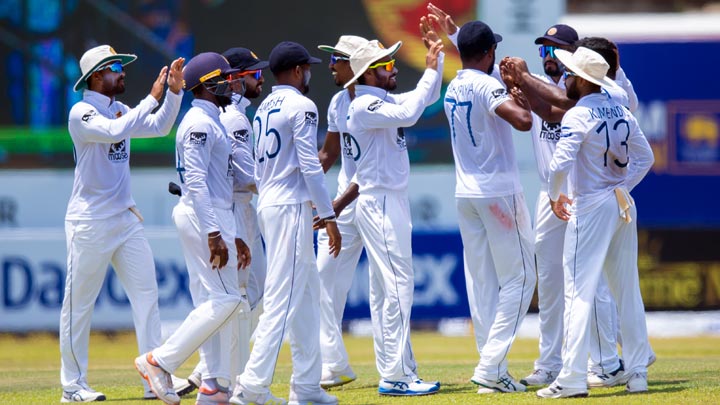
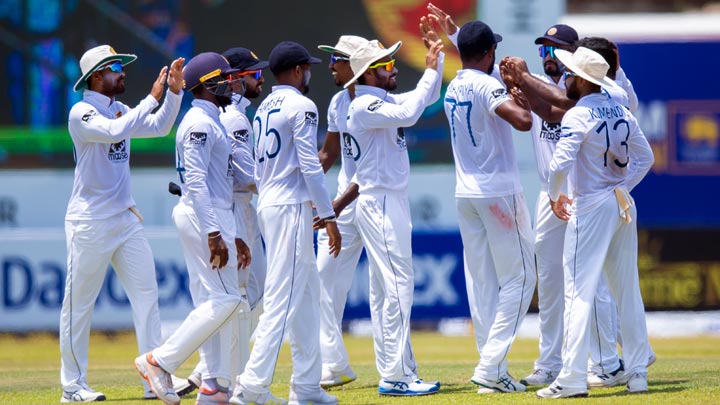
ශ්රී ලංකාව සහ අයර්ලන්තය අතර ගාල්ල ජාත්යන්තර ක්රීඩාංගණයේ අද 28දා පැවැති දෙවැනි ටෙස්ට් තරගය ශ්රී ලංකා පිලට ඉනිමක හා ලකුණු 10 ජයක් අත්කර ගැනීමට සමත්විය.
ටෙස්ට් තරග දෙකකින් සමන් විත මෙම තරගාවලිය 2ට 0 ක් ලෙස ජය ගැනීමට ශ්රී ලංකා පිල සමත් වි
මෙම තරගයේ මුලින්ම පන්දුවට පහරදුන් අයර්ලන්ත කණ්ඩායම පළමු ඉනිම සදහා ලකුණු 492ක් රැස්කර ගැනීමට සමත් විය.
අනතුරුව පිළීතුරු පළමු ඉනිම සදහා පන්දුවට පහරදුන් ශ්රී ලංකා පිල කඩුළු 3ක් දැවී ලකුණු 704ක් රැස්කර ගෙන සිටියදි ඉනිම අත්හිටුවීමට තීරණය ගෙන තිබුණි.
ඒ අනුව දෙවැනි ඉනිම සදහා පන්දුවට පහරදීමට පිටියට පැමිණි අයර්ලන්ත පිලට සියලුදෙනා දැවී රැස්කර ගත හැකියේ ලකුණු 202ක් පමණී.
ශ්රී ලංකාව ජය ග්රහණය කල 100 වැනි ටෙස්ට් මෙය වූ අතර එහිදී වාර්තා කිහිපයක්ම බිඳ දැමීමට අපේ ක්රීඩකයන් සමත් වුහ.ශ්රී ලංකාවේ 100 වැනි ටෙස්ට් ඉතිහාසයේ ජයග්රහණය ලෙස මේ තරඟාවලිය සැලකේ.ගාල්ල අන්තර්ජාතික ක්රිකට් ක්රීඩාංගණයේදී පිට පිටම දෙවැනි වරටත් අයර්ලන්තය ඉනිමකින් පරාජයකිරීමට ශ්රී ලංකා කණ්ඩායම සමත්විය
වර්ෂ 1982 පෙබරවාරි මාසයේදී එංගලන්තයට එරෙහිව මංගල ටෙස්ට් තරගයට සහභාගි වූ ශ්රී ලංකා කණ්ඩායම මේ දක්වා ටෙස්ට් තරග 311 කට සහභාගි වී තරග 100 ක් ජයග්රහණය කරමින් තරග 92 ක් ජය පරාජයෙන් තොරව අවසන් කරගෙන තිබේ. තරග 119 ක් පරාජය වි ඇතැයි වාර්තාවල සඳහන්වේ.
එම ජයග්රහණ අතරේ ශ්රී ලංකාවේ විශාලතම ටෙස්ට් ජයග්රහණය ද පසුගියදා පැවති පළමු අයර්ලන්තයේදී සනිටුහන් කිරීමට අප ක්රීඩකයන් සමත් වුහ. ගාල්ල ක්රීඩාංගණයේදීම පැවති එම තරඟයේදී . එය ඉනිමකින් සහ ලකුණු 280 ක ජයග්රහණය කිරීමට ශ්රී ලංකා පිළ සමත්විය. දිත්ව ශතක 2 ලබාගැනීමත් පන්දු යැවීමේදී ලෝකවර්තාවක් තැබීමට හැකිවීමත් මේ තරඟා වලිය තුල හැකිව තිබීම විශේෂ කරුණක් ලෙස සඳහන් කළ හැකිය.
(මෙම සේයාරූ ලංකාදීප කෙළි මණ්ඩලෙන් ලබා ගත් ඒවා බව කරුණාවෙන් සළකන්න- ඒවායේ අයිතිය එහි මුල් අයිතිකරුවන් සතුය.)
BBC chairman Richard Sharp Resigned over report into appointment
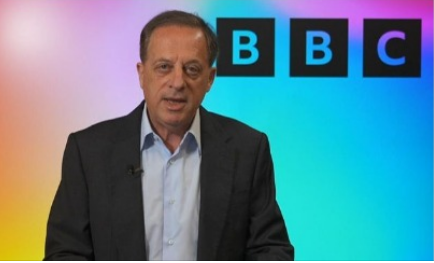
Richard Sharp has resigned as chairman of the BBC in the wake of a report into his appointment following a cronyism row.
Sharp said the report found he had breached the government’s code for the public appointments but said it was “inadvertent”.
The matter has been a “distraction” for the BBC, and he has therefore this morning resigned as the BBC chair.
He said he will stay on until a replacement is found.
“To chair this incredible organisation has been an honour,” he added.
He had been caught up in a row over his appointment into the role at the BBC since January, when he was reported to have helped facilitate an £800,000 loan guarantee for Boris Johnson – just weeks before the former prime minister appointed Sharp.
Johnson remained tight-lipped when asked about Sharp this morning as he left his home.
An investigation into Sharp’s appointment by the commissioner for public appointments was announced the same month, only for the commissioner, William Shawcross, to recuse himself from the process due to “contact” between himself and the BBC chairman.
Barrister Adam Heppinstall KC took over the probe.
This investigation was published this morning by the Commissioner for Public Appointments.
It outlined how Sharp told Johnson he wanted to apply for the BBC chairman role in November 2020.
He also told the PM, before any interviews took place, that he was going to meet with Cabinet Secretary Simon Case to attempt an introduction for Johnson with someone who had made a “suggestion” that “he might assist the former prime minister with his personal finances”.
The meeting with Case took place in December 2020, but the investigation did not consider or make findings about Johnson’s finances.
All of these issues were not divulged to the government when applicants for the BBC chair role were asked to disclose potential conflicts of interests.
This “gave rise to a potential perceived conflict of interest” on two issues, the report found:
1) Sharp’s conversation with Johnson before the application that he wanted to apply;
2) Sharp telling Johnson that he was going to help with his personal finances.
It was concluded that these not being disclosed to the panel selecting him meant Sharp breached the code.
The inquiry found it could be perceived that Sharp was given the job because he helped the prime minister with a financial matter, and he may not be independent of Number 10.
Sharp said he “wished” he had told the panel about the potential perceived conflicts of interest – although according to the report, he disagreed with the finding that point 1) led to a conflict of interest.
The report also found that Number 10’s support for Sharp was relayed to the government department dealing with the appointments process.
Rishi Sunak – who used to work for Sharp at Goldman Sachs – previously declined to respond to questions about their relationship or Mr Sharp’s integrity.
He told reporters: “Richard Sharp went through an independent appointments process at the time that I had nothing to do with – he was appointed before I was prime minister.
“But also the chair of public appointments has asked a leading KC to review – to re-review – that appointments process so there is not much I can say more that’s ongoing, but it’s right that process concludes.”
Labour said the saga has caused “untold damage” to the reputation of the BBC and “seriously undermined its independence as a result of the Conservatives’ sleaze and cronyism”.
In a letter to Sharp, Culture Secretary Lucy Frazer thanked him for his work, and noted that he is “held in high regard by the BBC board”.
She accepted that Sharp will stay in place until the next BBC board meeting on 27 June this year.
The BBC board released a statement which said they believed Sharp was “a person of integrity”.
Sharp faced renewed scrutiny after the backlash against the BBC’s decision to take Match of the Day presenter Gary Lineker off-air for his tweets over the government’s immigration policy. Critics questioned Sharp’s impartiality, in the context of the row about Lineker’s views.
(SKY NEWS -28/04/23 )
BBC Chairman Richard Sharp resigns over report into appointment
SKY NEWS UK
April 28, 2023
Richard Sharp has resigned as chairman of the BBC in the wake of a report into his appointment following a cronyism row.
Sharp said the report found he had breached the government’s code for the public appointments but said it was “inadvertent”.
The matter has been a “distraction” for the BBC, and he has therefore this morning resigned as the BBC chair.
He said he will stay on until a replacement is found.
“To chair this incredible organisation has been an honour,” he added.
He had been caught up in a row over his appointment into the role at the BBC since January, when he was reported to have helped facilitate an £800,000 loan guarantee for Boris Johnson – just weeks before the former prime minister appointed Sharp.
Johnson remained tight-lipped when asked about Sharp this morning as he left his home.
An investigation into Sharp’s appointment by the commissioner for public appointments was announced the same month, only for the commissioner, William Shawcross, to recuse himself from the process due to “contact” between himself and the BBC chairman.
Barrister Adam Heppinstall KC took over the probe.
This investigation was published this morning by the Commissioner for Public Appointments.
It outlined how Sharp told Johnson he wanted to apply for the BBC chairman role in November 2020.
He also told the PM, before any interviews took place, that he was going to meet with Cabinet Secretary Simon Case to attempt an introduction for Johnson with someone who had made a “suggestion” that “he might assist the former prime minister with his personal finances”.
The meeting with Case took place in December 2020, but the investigation did not consider or make findings about Johnson’s finances.
All of these issues were not divulged to the government when applicants for the BBC chair role were asked to disclose potential conflicts of interests.
This “gave rise to a potential perceived conflict of interest” on two issues, the report found:
1) Sharp’s conversation with Johnson before the application that he wanted to apply;
2) Sharp telling Johnson that he was going to help with his personal finances.
It was concluded that these not being disclosed to the panel selecting him meant Sharp breached the code.
The inquiry found it could be perceived that Sharp was given the job because he helped the prime minister with a financial matter, and he may not be independent of Number 10.
Sharp said he “wished” he had told the panel about the potential perceived conflicts of interest – although according to the report, he disagreed with the finding that point 1) led to a conflict of interest.
The report also found that Number 10’s support for Sharp was relayed to the government department dealing with the appointments process.
Rishi Sunak – who used to work for Sharp at Goldman Sachs – previously declined to respond to questions about their relationship or Mr Sharp’s integrity.
He told reporters: “Richard Sharp went through an independent appointments process at the time that I had nothing to do with – he was appointed before I was prime minister.
“But also the chair of public appointments has asked a leading KC to review – to re-review – that appointments process so there is not much I can say more that’s ongoing, but it’s right that process concludes.”
Labour said the saga has caused “untold damage” to the reputation of the BBC and “seriously undermined its independence as a result of the Conservatives’ sleaze and cronyism”.
In a letter to Sharp, Culture Secretary Lucy Frazer thanked him for his work, and noted that he is “held in high regard by the BBC board”.
She accepted that Sharp will stay in place until the next BBC board meeting on 27 June this year.
The BBC board released a statement which said they believed Sharp was “a person of integrity”.
Sharp faced renewed scrutiny after the backlash against the BBC’s decision to take Match of the Day presenter Gary Lineker off-air for his tweets over the government’s immigration policy. Critics questioned Sharp’s impartiality, in the context of the row about Lineker’s views.
(SKYNEWS)