

Israeli air strikes kill at least 32 Palestinians in Gaza, rescue officials say
Israeli air strikes kill at least 32 Palestinians in Gaza, rescue officials say
BBC News
By Sofia Ferreira Santos
31 January 2026,
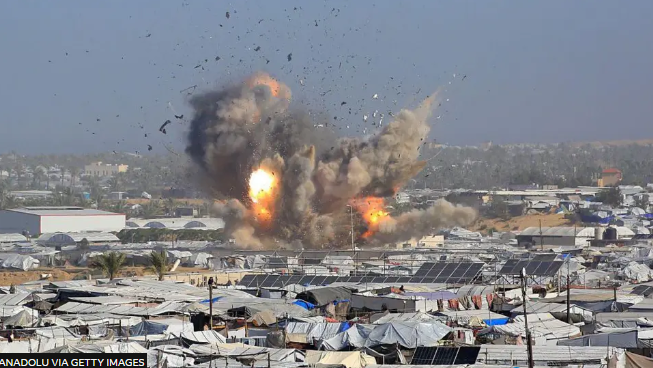
Several strikes have been reported across the Strip, including in Khan Younis
At least 32 people have been killed in a wave of Israeli air strikes across the Gaza Strip on Saturday, according to local authorities.
The civil defence agency, which is operated by Hamas, says children and women were among those killed. It added that in one attack, helicopter gunships hit a tent sheltering displaced people in the southern city of Khan Younis.
Palestinians have described these strikes as the heaviest since the second phase of the ceasefire, brokered by President Trump in October, came into effect earlier this month.
The Israeli military confirmed that a number of strikes were carried out in response to what it said was a Hamas violation of the agreement on Friday.
Both Israel and Hamas have accused each other of violating the truce since it came into effect last year.
In a statement, the Israel Defense Forces (IDF) said “eight terrorists were identified exiting the underground terror infrastructure in eastern Rafah”, an area in Gaza where Israeli forces are deployed under the October agreement.
The IDF said it had, together with the Israel Security Agency (ISA), struck targets in various locations including “four commanders and additional terrorists” as well as a weapons storage facility, a weapons manufacturing site and “two launch sites belonging to Hamas in the central Gaza Strip”.
Hamas has condemned the strikes and urged the US to take immediate action, adding that “these ongoing violations” confirm that the Israeli government “continues its brutal war of genocide against the strip”.
It said that seven of the victims were from one displaced family in Khan Younis, with a civil defence spokesman adding that the strikes hit residential apartments, tents, shelters and a police station.
Officials at Gaza City’s Shifa hospital said an air strike on the city hit a residential apartment, killing three children and two women.
“We found my three little nieces in the street. They say ‘ceasefire’ and all. What did those children do? What did we do?” said Samer al-Atbash, an uncle of the three dead children, according to Reuters news agency.
Video footage and images from across Gaza showed several bodies being lifted out of rubble and a number of buildings destroyed.
A police mini van with rubble on top of it, surrounded by several people
Image source,Reuters
Image caption,
A police station was also hit in Gaza City, local authorities say, killing at least 12
The strikes come as the Rafah crossing, Gaza’s border with Egypt, is due to reopen on Sunday after the IDF recovered the body of Israel’s last hostage earlier this week.
Egypt’s foreign ministry condemned the strikes in a statement seen by AFP news agency, and urged all parties to “exercise the utmost restraint”.
Qatar, one of the key mediators during ceasefire talks, also denounced the “repeated Israeli violations”, its foreign ministry said.
The war between Israel and Hamas began after the Hamas-led attack on southern Israel on 7 October 2023, when about 1,200 people were killed and 251 were taken hostage.
Israel responded by launching a military campaign in Gaza, during which more than 71,660 people have been killed, according to the Hamas-run health ministry.
It says at least 509 Palestinians have been killed since the ceasefire began on 10 October 2025. Four Israeli soldiers have also been killed.
Though Israel has previously disputed figures from the Hamas-run health ministry, a senior security source was reported by local media as saying that the military accepts that more than 70,000 Palestinians have been killed during the war in Gaza.
The health ministry’s figures have been deemed reliable by the UN and other human rights groups and widely cited by international media. Israel does not allow news organisations, including the BBC, into Gaza to report independently.
Trump says ‘very dangerous’ for UK to do business with China as Starmer lands in Shanghai
Trump says ‘very dangerous’ for UK to do business with China as Starmer lands in Shanghai
BBC News
By Chris Mason, Political editor, Reporting fromShanghai and Toby Mann
30 January 2026
Donald Trump said it was “very dangerous” for the UK to do business with China, as Prime Minister Sir Keir Starmer arrived in Shanghai on the third day of his visit to the country.
The US president was reacting to agreements aimed at increasing business and investment between the UK and China, announced after Sir Keir met Chinese President Xi Jinping.
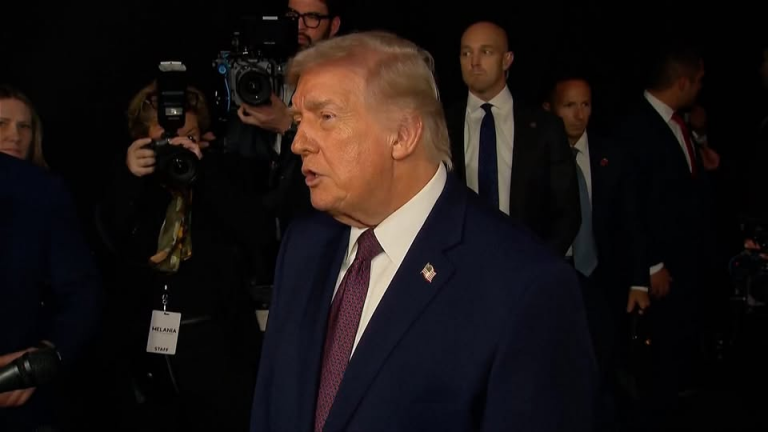
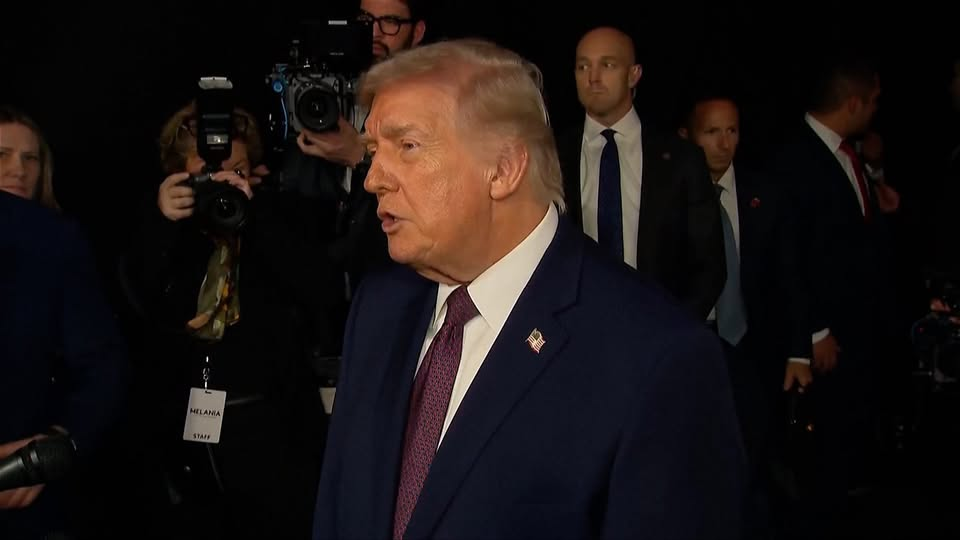
Speaking at the premiere of a documentary about his wife Melania on Thursday, Trump went on to refer to Xi as a “friend” of his and said he knew the Chinese president “very well”.
UK business minister Sir Chris Bryant said Trump was “wrong” and it would be “bonkers frankly for the UK to ignore the presence of China on the world stage”.
“Of course, we enter into our relationship with China with our eyes wide open,” he added.
The business minister also pointed out that Trump is due to visit China himself in April.
In response to Trump’s remarks, Downing Street indicated that Washington had been aware of this trip and its objectives in advance.
What did UK and China get out of Starmer’s reset visit?
Arriving at the premiere of the Melania film on Thursday, the US president was asked by a reporter: “What do you think about the UK going into business with China?”
Beyond his brief comments, Trump did not say anything further about the UK’s engagement with China, pivoting instead to Canada and delivering a similar warning.
He said it was “even more dangerous, I think, for Canada”.
“Canada is not doing well. They’re doing very poorly, and you can’t look at China as the answer,” he added.
Earlier this week, the US president threatened to impose tariffs on Canada if it went through with economic deals struck with China on a recent visit to Beijing by its Prime Minister Mark Carney.
The comments come after Sir Keir said the UK’s relationship with China was in a “good, strong place” following his talks with Xi at the Great Hall of the People on Thursday.
Sir Keir said on Friday that the “very good meetings” with Xi had provided “just the level of engagement that we hoped for”.
“We warmly engaged and made some real progress, actually, because the UK has got a huge amount to offer,” he told a meeting of the UK-China Business Forum at the Bank of China in Beijing.
So far several things have come out of Sir Keir’s trip including an agreement on visa-free travel and lower whisky tariffs, as well as a £10.9bn investment by AstraZeneca to build manufacturing facilities in China.
An agreement aimed at tackling organised crime and illegal immigration will see the UK and China share intelligence to identify the supply routes of people smugglers.
The UK government says the inflatable dinghies used in small boat crossings often contain parts sourced in China.
Other deals include an agreement to co-operate on reducing red tape for UK exporters and collaborate on health challenges such as antimicrobial resistance.
In front of a red background, Sir Keir Starmer delivers remarks at a UK-China Business Forum in Beijing
Sir Keir Starmer delivers remarks at a UK-China Business Forum at the Bank of China, in Beijing on Friday
The US was the UK’s largest single country trading partner in 2025, while China was the fourth largest, according to the Department for Business and Trade.
The chair of the British Chamber of Commerce in China, Chris Torrens, praised Sir Keir’s visit to Beijing as “successful”.
Torrens told the BBC it made “sense for the UK to be looking to China, it’s one of its larger trading partners”.
He added that other Western leaders had either been to Beijing recently or would do so soon.
“The US are maybe sanctioning and reprimanding other economies and slapping tariffs on countries that are doing deals with China but the US itself may well do a deal with China. In fact we expect that this year,” Torrens told the BBC.
Sir Keir arrived in Shanghai on Friday morning, his last stop in China before leaving for Tokyo to meet his Japanese counterpart, Sanae Takaichi, for a working dinner.
Opposition MPs have criticised the prime minister over his trip to China – the first by a UK leader since 2018 – over the risk posed to the UK’s national security and Xi’s human rights record.
China has been accused of “serious human rights violations” by the UN against the Uyghur population and other mostly-Muslim ethnic groups.
It has also been criticised over the treatment of Hong Kong pro-democracy media tycoon Jimmy Lai, who is facing life in prison.
Shadow home secretary Chris Philp said Sir Keir had “gone to Beijing to kowtow to President Xi” and accused the government of trading “national security for economic crumbs off the Chinese table”.
Earlier this month, the government received similar criticism when it approved China’s plans for a huge new embassy in central London.
Security Minister Dan Jarvis said intelligence agencies had been “integral” to that decision-making process, and he was “content any risks are being appropriately managed”.
ඉන්දියාවේ පැතිර යමින් පවතින නීපා වෛරසය පිළිබඳ මෙරට ජනතාව අනියත බියක් ඇති කර නොගත යුතුයි – සෞඛ්ය නියෝජ්ය අමාත්ය වෛද්ය හංසක විජේමුණි මහතා
·
ඉන්දියාවේ පැතිර යමින් පවතින නීපා වෛරසය පිළිබඳ මෙරට ජනතාව අනියත බියක් ඇති කර නොගත යුතු බව සෞඛ්ය නියෝජ්ය අමාත්ය වෛද්ය හංසක විජේමුණි මහතා පවසනවා
Divaina lk News
29/01/26
ඔහු පෙන්වාදෙන්නේ, අදාළ වෛරසය පිළිබඳව මෙරට සෞඛ්ය අංශ දැඩි අවධානය යොමුකර ඇති බවයි
නීපා නමින් හඳුන්වන වෛරසය ආසියානු කලාපය හරහා පැතිර යා හැකි බවට අනාවරණය වීමත් සමග ආසියානු කලාපයේ බොහෝ රටවල් ඒ පිළිබඳව වැඩි අවධානයක් යොමුකර තිබේ.
තායිලන්තය, සිංගප්පූරුව, හොංකොං සහ මැලේසියාව යන රටවල බලධාරීන් මේ සම්බන්ධයෙන් ගුවන්තොටුපොළ පරීක්ෂණ කටයුතු ද ආරම්භ කර ඇති බව වාර්තා වේ.
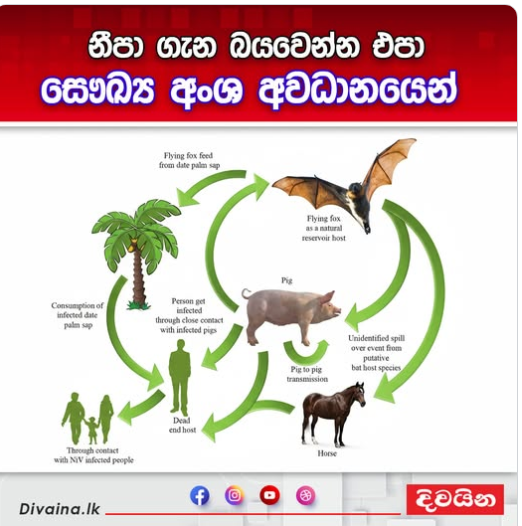
මෙය වවුලන් සහ ඌරන් වැනි සතුන්ගෙන් වැලඳෙන වෛරසයක් ලෙස හඳුනාගෙන ඇති අතර මෙහි මරණ අනුපාතය 40%ත් 75%ත් අතර වන බව සඳහන්ය.
නීපා වෛරසය පුද්ගලයාගෙන් පුද්ගලයාට පැතිර යා හැකි වුව ද එය සම්ප්රේෂණය වීම ඉතා සුළු වශයෙන් සිදුවන බව වාර්තා වේ.
ආසියානු කලාපයේ රටවල් මෙන්ම ශ්රී ලංකාව ද මෛම වෛරසය සම්බන්ධයෙන් අවධානය යොමුකර ඇති අතර ඒ පිළිබඳ කිසිදු බියක් ඇති කරගැනීමේ අවශ්යතාවක් නොමැති බව සෞඛ්ය නියෝජ්ය අමාත්ය වෛද්ය හංසක විජේමුණි මහතා වැඩි දුරටත් සඳහන් කළේය.
#Divaina #DivainaNewspaper #DivainaDaily #DivainaNews #DivainaOnline #nipah #NipahVirus #NipahOutbreak #nipahinsrilanka #hasankawijemuni
China to relax travel rules for British visitors, UK says
ByBecky Morton
BBC News – Political reporter
- Published29 January 2026,
China has agreed to allow British citizens to travel to the country for up to 30 days without a visa, Downing Street has said.
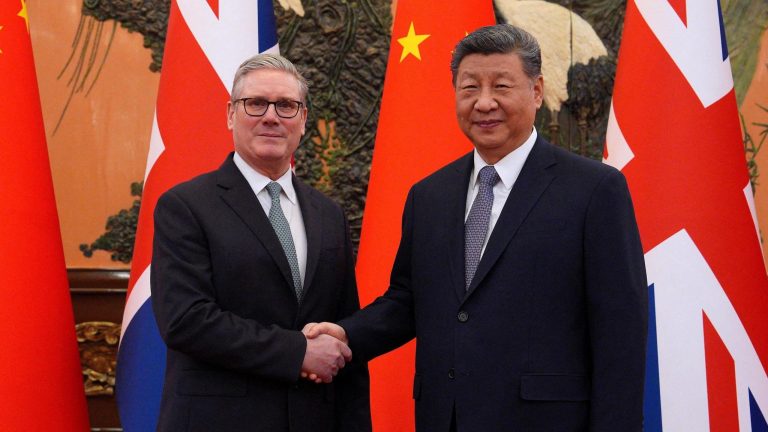
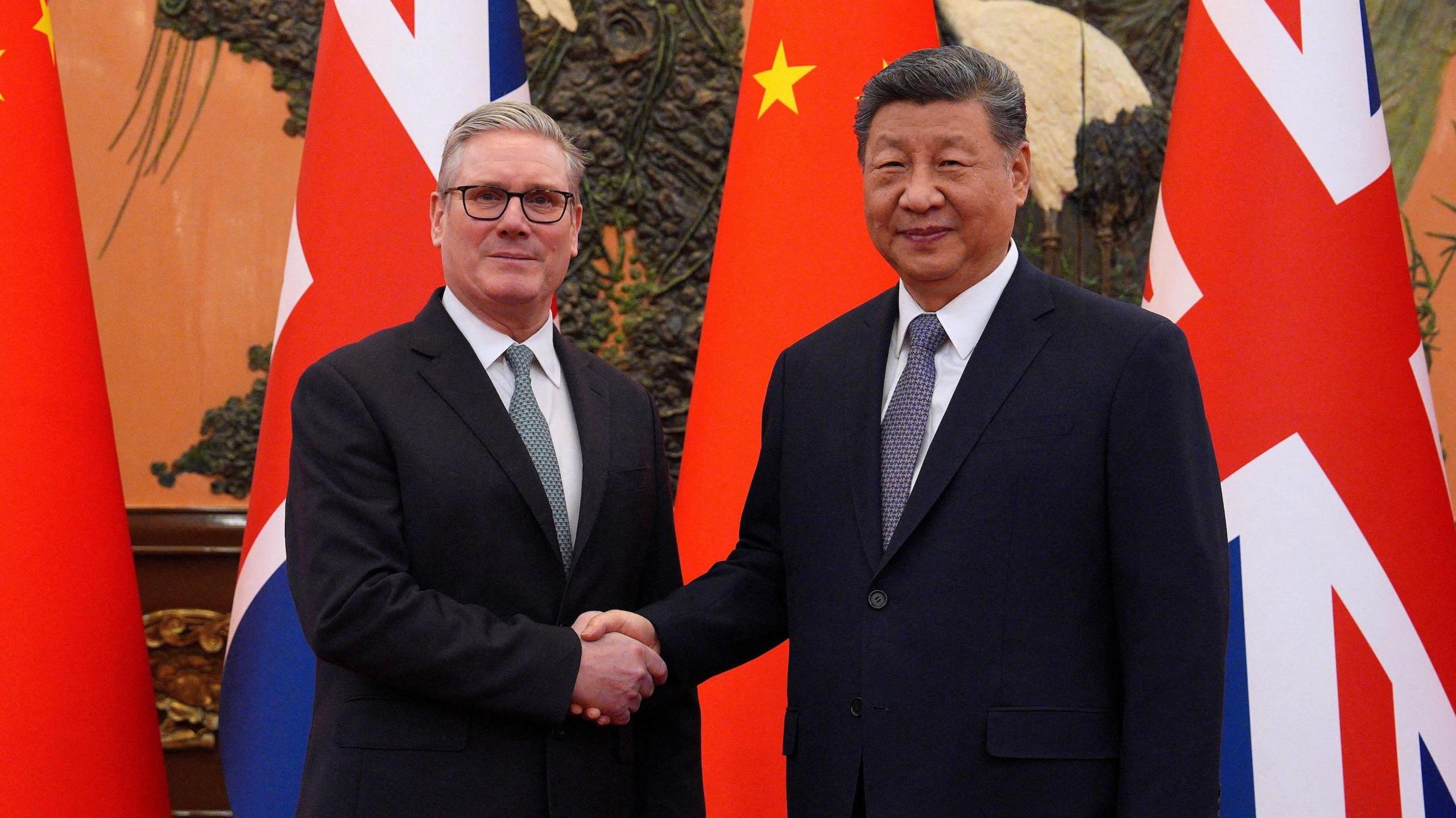
The announcement came after Prime Minister Sir Keir Starmer met President Xi Jinping in Beijing, as he became the first British leader to visit the country in eight years.
The trip also saw an agreement to cut import taxes on UK whisky from 10% to 5%, as the government seeks closer trade ties with Beijing to help boost economic growth.
However, critics have argued the UK should have a more cautious relationship with China because of the risk to national security and the country’s human rights record.
There is no date for when the visa agreement will be in force but the government is hoping this will happen as soon as possible.
Hundreds of thousands of British people could potentially benefit from the change, with around 620,000 travelling to China in 2024 according to the Office for National Statistics.
Downing Street said it would bring the UK into line with 50 other countries, including France, Germany, Italy, Australia and Japan.
Sir Keir said the move would make it easier for businesses to expand in China, while people would also be able to go on holiday there without a visa.
“As one of the world’s economic powerhouses, businesses have been crying out for ways to grow their footprints in China,” he said.
“We’ll make it easier for them to do so – including via relaxed visa rules for short-term travel – supporting them to expand abroad, all while boosting growth and jobs at home.”
Downing Street said the UK and China had also agreed to explore whether to enter negotiations on a services agreement, which would establish clear and legally binding rules for UK firms doing business in China.
The UK is the world’s second largest exporter of services – including in finance, healthcare and legal services – and No 10 said demand from China in the area was growing.
It said an agreement would open up Chinese markets for businesses, for example by enabling recognition of UK professional qualifications.
Meanwhile, pharmaceutical company AstraZeneca will invest $15bn (£10.9bn) in China up to 2030, establishing new manufacturing sites and expanding its workforce in the country.
Speaking after his meeting with President Xi at the Great Hall of the People in Beijing – which lasted around an hour and 20 minutes – Sir Keir said the pair had discussed how “huge opportunities” in China could benefit people in the UK.
He said the pair had also made “good progress” on cooperation over illegal migration.
Under an agreement signed on Thursday, Downing Street said UK and Chinese law enforcement would cooperate to disrupt the supply of small boat engines and equipment used by criminal gangs to help migrants cross the Channel.
Last year more than 60% of engines used by smuggling gangs were found to be branded as Chinese-manufactured.
The deal is among 10 agreements signed between the two countries, covering areas including exports, education and food safety.
The prime minister said he had also raised contentious issues including the jailing of pro-democracy campaigner Jimmy Lai and the treatment of the Uyghur minority in Xinjiang.
“Part of the rationale for engagement is to make sure that we can both seize the opportunities that are available, which is what we’ve done, but also have a mature discussion about issues that we disagree on,” he added.
Conservative shadow home secretary Chris Philp said: “Keir Starmer has gone to Beijing to kowtow to President Xi, in the hope to get a few economic crumbs from President Xi’s table, to make up for the catastrophic handling of the economy, and he’s trading off our national security in order to do that.”
He added that the deal on small boats was a “gimmick” that would make no difference to crossings.
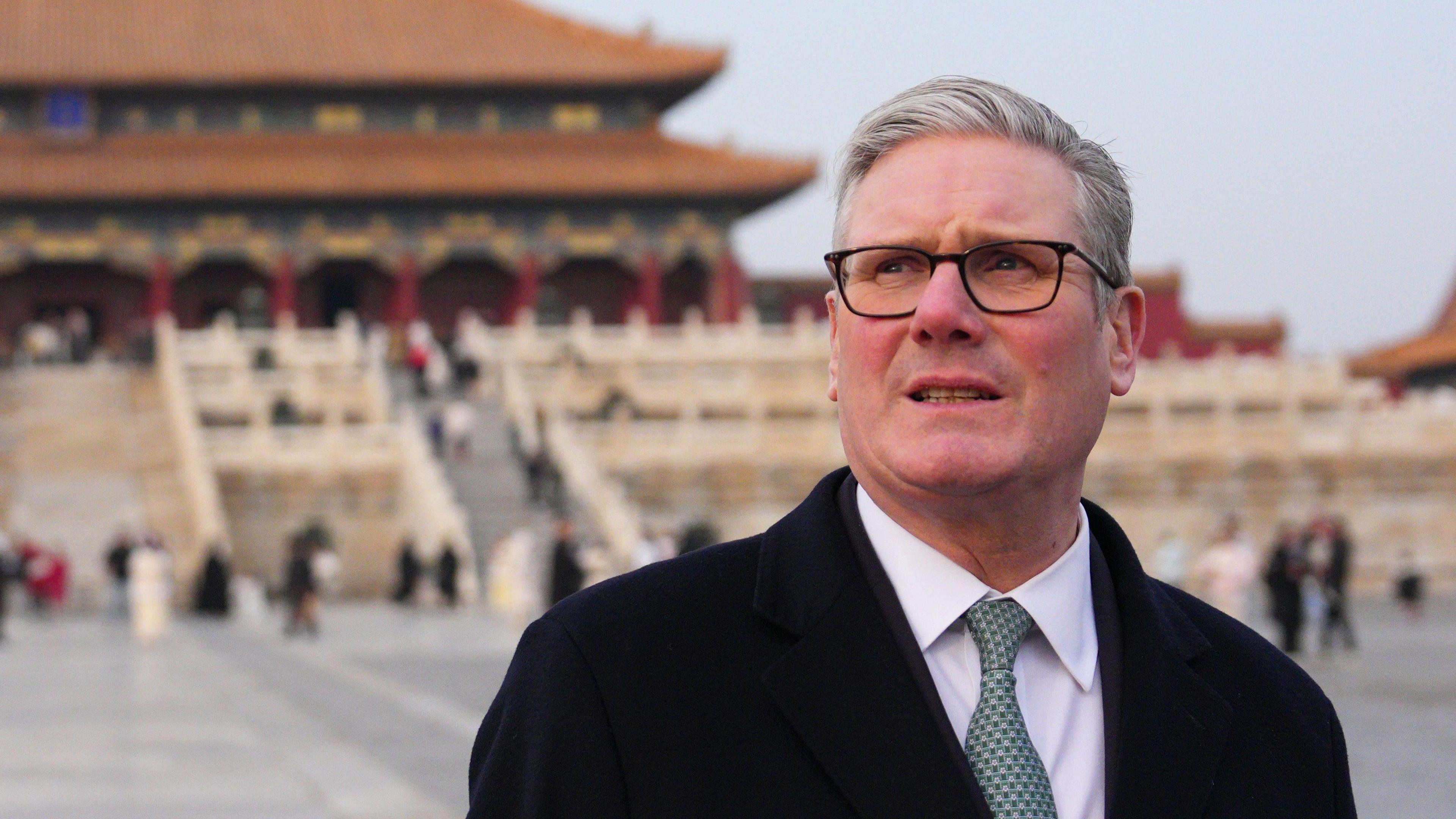
Sir Keir has travelled to Beijing with a delegation of British business and cultural leaders.
At the start of his meeting with Xi, the PM said he wanted a “more sophisticated” relationship with China.
Stressing the benefits of closer ties for people in the UK, he said: “Events abroad affect everything that happens back in our home countries, from prices on the supermarket shelves to how secure we feel.”
Meanwhile, President Xi said UK-China relations had gone through “some twists and turns that did not serve the interests of our countries”.
He argued dialogue between the UK and China was “imperative” in a “turbulent and fluid” world.
He praised previous Labour governments for making “important contributions to the growth of China-UK relations” and told Sir Keir the two men would “stand the test of history” if they could “rise above differences”.
Following the meeting, as a gift, Sir Keir gave President Xi a football used during last weekend’s Premier League match between Manchester United and Arsenal.
The PM is a keen Arsenal fan, while the president reportedly supports Manchester United.
President Xi gifted Sir Keir a copper statue of a horse, while Chinese Premier Li Qian gave the prime minister three kinds of flutes.
The trip comes at a time of heightened trade tensions after US President Donald Trump threatened 100% tariffs on Canada for signing a “strategic partnership” with China.
The visit has been criticised by opposition parties, with Conservative leader Kemi Badenoch saying she would not be going to China at this time if she was PM.
Liberal Democrat foreign affairs spokesman Calum Miller said Sir Keir’s approach was “all give and no take”.
“Many British firms and universities want Chinese business but the British public also wants to know the PM is standing up for our national security,” he said.
Visa-free travel to China and cuts to whisky tariffs among deals signed – as Starmer hints at UK visit for President Xi
SKY NEWS UK
Thursday 29 January 2026
British citizens will now be able to travel to China for 30 days without needing to get a visa following a deal between Sir Keir Starmer and President Xi Jinping.
Britons to get 30-day visa-free travel to China View post|China to halve tariffs on Scotch whisky View post
Starmer and Xi exchange gifts – including copper horse statue View post
PM says he ‘raised’ difficult issues with Xi at ‘productive’ meeting View post
Beth Rigby:PM will be pleased with how this significant reset has gone – but challenges remain View post
Helen-Ann Smith:China always plays the long game – rekindling relationship with ‘middling’ power is part of that View post
Jon Craig:The eerie similarity between Starmer and Brown’s trips to China
Government rejects calls for compensation for women hit by state pension age change View post
Reform demands public apology from Tories over ‘mental health’ jibe View post
Ensuring Iran doesn’t get nukes is ‘number one priority’, says PM View post

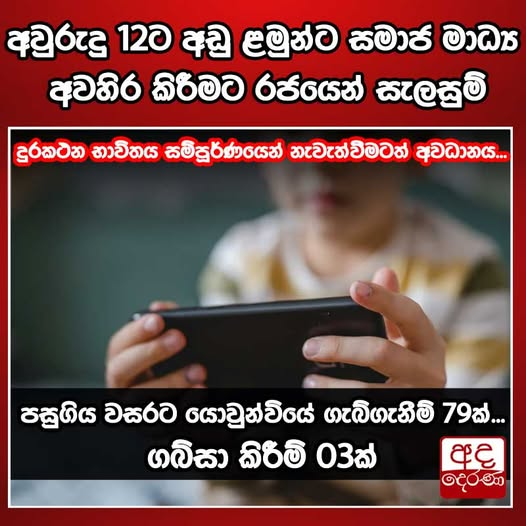
අවුරුදු 12ට අඩු ළමුන්ට සමාජ මාධ්ය අවහිර කරන්න රජයෙන් සැලසුම්
January 29, 2026
වයස අවුරුදු 12ට අඩු පාසල් ළමුන් සඳහා සමාජ මාධ්ය ප්රවේශය සීමාකිරීම සම්බන්ධයෙන් රජයේ අවධානය යොමුව තිබේ.
ළමා හා කාන්තා කටයුතු පිළිබඳ අමාත්ය සාවිත්රි පෝල්රාජ් මහත්මිය සඳහන් කළේ, ඒ සම්බන්ධයෙන් මේ වන විටත් සාකච්ඡා ආරම්භ වී ඇති බවය.
වයස අවුරුදු 12ට අඩු ළමුන් දුරකථන භාවිතය සම්පූර්ණයෙන්ම නතර කළ යුතු බවට මේ වන විටත් රජය විසින් යෝජනාවක් ඉදිරිපත් කර ඇති අතර ඊට සමගාමීව සමාජ මාධ්ය ප්රවේශය ද තහනම් කිරීම සඳහා අවධානය යොමුව තිබේ.
ලෝකයේ රටවල් රැසක් පාසල් ළමුන්ට සමාජ මාධ්ය භාවිතය තහනම් කිරීම සඳහා නීති හඳුන්වා දී ඇති අතර ඒ සම්බන්ධයෙන් ද රජයේ අවධානය යොමුව ඇති බව සාවිත්රි පෝල්රාජ් අමාත්යවරිය සඳහන් කළාය.
ළමුන් අන්තර්ජාලය හා සම්බන්ධ වීම තුළින් සිදුවන විවිධ සදාචාර විරෝධී සිදුවිම්වල ඉහළ යාමක් මේ වන විට දක්නට ඇති බැවින් සමාජ මාධ්ය සඳහා සීමාවන් පැනවීමේ අවශ්යතාවක් මතුව ඇති බව ද අමාත්යවරිය සඳහන් කළාය.
මේ වන විටත් ළමුන්ට එරෙහි සයිබර් අපරාධ ආමන්ත්රණය කිරීම සඳහා නව නීතියක් හඳුන්වාදීමට ද තීරණය කර ඇති අතර ඒ සඳහා පසුගියදා කැබිනට් අනුමැතිය ද හිමිවුණි.
මේ අතර 2025 වර්ෂය තුළ පමණක් ළමුන් හා සම්බන්ධ පැමිණිලි 10,455ක් ජාතික ළමා ආරක්ෂක අධිකාරිය වෙත ලැබී තිබේ.
ජාතික ළමා ආරක්ෂක අධිකාරියේ පනතට අදාළව පැමිණිලි 8,514ක් සහ එම විෂය පථයට සෘජුව අදාළ නොවන පැමිණිලි 1,941ක් ඒ අතර වන බව සඳහන්ය.
පසුගිය වසරේ ලැබුණු පැමිණිලි අතරින් ලිංගික අතවර කිරීම සම්බන්ධ පැමිණිලි 545ක් ලැබී ඇති අතර බරපතළ ලිංගික අපයෝජනය කිරීම සම්බන්ධ පැමිණිලි 231ක් ලැබී තිබේ.
2025 වර්ෂයේදී යොවුන් වියේ ගැබ් ගැනීම් 79ක් සිදුව ඇති අතර ගබ්සා කිරීම් 03ක් සිදුව ඇති බව ජාතික ළමාආරක්ෂක අධිකාරිය සඳහන් කළේය.
ළමා විවාහ 9ක් සිදුව ඇති අතර ස්ත්රී දුෂණ 38ක් පසුගිය වසර තුළ සිදුව ඇති බව ජාතික ළමා ආරක්ෂක අධිකාරියට පැමිණිලි ලැබී තිබේ.
ළමුන්ට එරෙහි සයිබර් හිංසන සම්බන්ධයෙන් පැමිණිලි 150ක් ලැබී ඇති අතර සියදිවි නසාගැනීමට තැත්කිරීම සම්බන්ධ පැමිණිලි 20ක් ලැබී ඇති බව ජාතික ළමා ආරක්ෂක අධිකාරිය වැඩිදුරටත් සඳහන් කළේය.
ඊට අමතරව උප්පැන්න සහතික නොමැති දරුවන් සම්බන්ධයෙන් පැමිණිලි 42ක් ලැබී ඇති අතර අවුරුදු 5ට අඩු දරුවන් හැරදමා විදෙස් ගත වීම සම්බන්ධ පැමිණිලි 9ක් ද පසුගිය වසරේ ජාතික ළමා ආරක්ෂක අධිකාරියට ලැබී තිබේ.
කැරට් 24 රන් පවුම රුපියල් ලක්ෂ 4 පනී
කැරට් 24 රන් පවුම රුපියල් ලක්ෂ 4 පනී
January 28, 2026
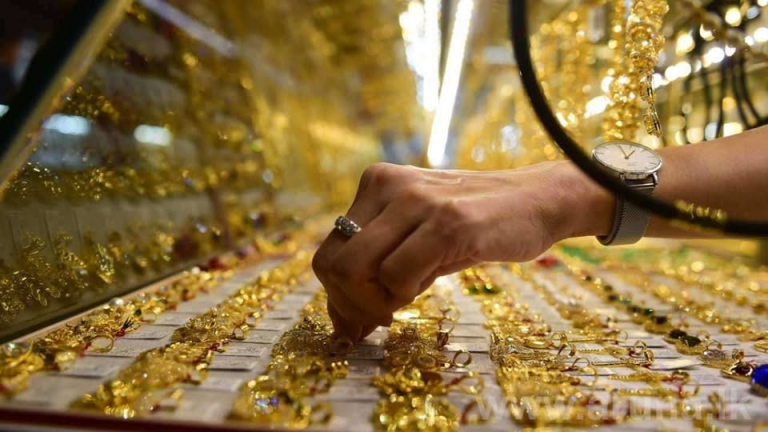
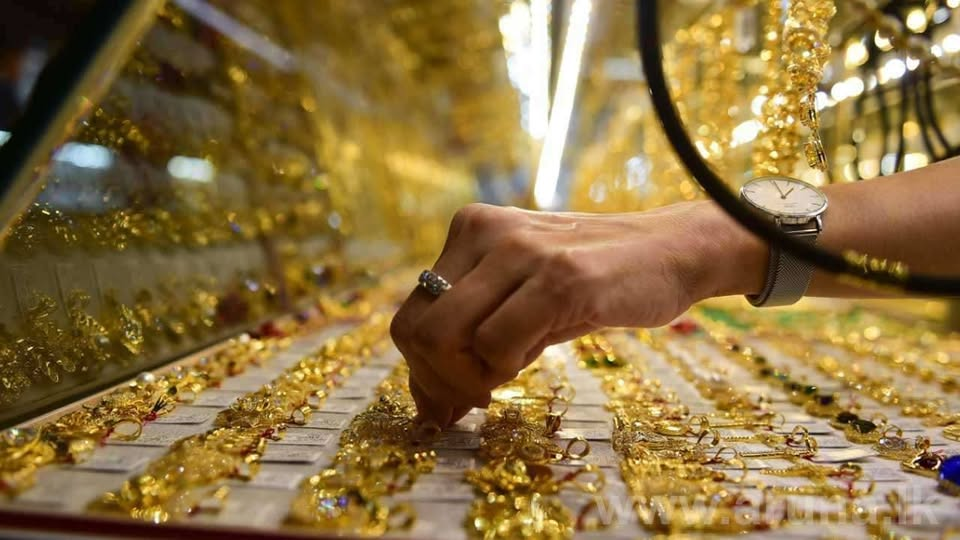
ලෝක වෙළෙඳපොළේ රත්රං මිලෙහි වැඩිවීමක් සිදුව ඇති අතර ඊට සාපේක්ෂව මෙරට රත්රං මිල ද ඉහළ ගොස් තිබේ.
අද (28) වනවිට ලෝක රන් මිල ඩොලර් 5250 දක්වා ඉහළ ගොස් ඇත.
ඒ අනුව, කොළඹ හෙට්ටිවීදිය රන් වෙළෙඳපොළෙහි අද උදෑසන නිකුත්කළ නවතම දත්ත අනුව රත්රං මිලේ සමස්ථ වැඩිවීම රුපියල් 10,000ක් බව සඳහන්ය.
ඒ අනුව අද දිනයේ “කැරට් 22” රන් පවුමක් මිල රු. 374,600ක් ලෙස දැක්වුණි.
මේ අතර ඊයේ දිනයේ දී රු. 394,000ක් ලෙස පැවති “කැරට් 24” රන් පවුමක මිල අද වනවිට රු. 405,000ක් දක්වා ඉහළ ගොස් ඇති බව කොළඹ හෙට්ටිවීදිය රත්රං වෙළෙඳපොළ ආරංචි මාර්ග සඳහන් කරයි.(Ada Derana lk news)
United States’ withdrawal from WHO will make world less safe: WHO
Daily Mirror lk News
25 January 2026
Views – 449
The World Health Organization (WHO) said it regrets the United States’ notification of withdrawal from WHO – a decision that makes both the United States and the world less safe.
“As a founding member of the World Health Organization (WHO), the United States of America has contributed significantly to many of WHO’s greatest achievements, including the eradication of smallpox, and progress against many other public health threats including polio, HIV, Ebola, influenza, tuberculosis, malaria, neglected tropical diseases, antimicrobial resistance, food safety and more,” WHO said.
The notification of withdrawal raises issues that will be considered by the WHO Executive Board at its regular meeting starting on 2 February and by the World Health Assembly at its annual meeting in May 2026.
WHO takes note of statements from the government of the United States that say WHO has “trashed and tarnished” and insulted it, and compromised its independence. The reverse is true. As we do with every Member State, WHO has always sought to engage with the United States in good faith, with full respect for its sovereignty.
In its statements, the United States cited as one of the reasons for its decision, “WHO failures during the COVID-19 pandemic”, including “obstructing the timely and accurate sharing of critical information” and that WHO “concealed those failures”.
While no organization or government got everything right, WHO stands by its response to this unprecedented global health crisis.
Throughout the pandemic, WHO acted quickly, shared all information it had rapidly and transparently with the world, and advised Member States on the basis of the best available evidence.
WHO recommended the use of masks, vaccines and physical distancing, but at no stage recommended mask mandates, vaccine mandates or lockdowns. We supported sovereign governments to make decisions they believed were in the best interests of their people, but the decisions were theirs.
Immediately after receiving the first reports of a cluster of cases of “pneumonia of unknown cause” in Wuhan, China on 31 December 2019, WHO asked China for more information and activated its emergency incident management system. By the time the first death was reported from China on 11 January 2020, WHO had already alerted the world through formal channels, public statements and social media, convened global experts, and published comprehensive guidance for countries on how to protect their populations and health systems.
When the WHO Director-General declared COVID-19 a public health emergency of international concern under the International Health Regulations on 30 January 2020 – the highest level of alarm under international health law – outside of China there were fewer than 100 reported cases, and no reported deaths.
In the first weeks and months of the pandemic, the Director-General urged all countries repeatedly to take immediate action to protect their populations, warning that “the window of opportunity is closing”, “this is not a drill” and describing COVID-19 as “public enemy number one”.
In response to the multiple reviews of the COVID-19 pandemic, including of WHO’s performance, WHO has taken steps to strengthen its own work, and to support countries to bolster their own pandemic preparedness and response capacities. The systems we developed and managed before, during and after the emergency phase of the pandemic, and which run 24/7, have contributed to keeping all countries safe, including the United States.
The United States also said in its statements that WHO has “pursued a politicized, bureaucratic agenda driven by nations hostile to American interests”. This is untrue. As a specialized agency of the United Nations, governed by 194 Member States, WHO has always been and remains impartial and exists to serve all countries, with respect for their sovereignty, and without fear or favour.
WHO appreciates the support and continued engagement of all its Member States, which continue to work within the framework of WHO to pursue solutions to the world’s biggest health threats, both communicable and noncommunicable. Most notably, WHO Member States last year adopted the WHO Pandemic Agreement, which once ratified will become a landmark instrument of international law to keep the world safer from future pandemics.
Member States are now negotiating an annex to the WHO Pandemic Agreement, the Pathogen Access and Benefit Sharing system, which if adopted will promote rapid detection and sharing of pathogens with pandemic potential, and equitable and timely access to vaccines, therapeutics and diagnostics.
We hope that in the future, the United States will return to active participation in WHO. Meanwhile, WHO remains steadfastly committed to working with all countries in pursuit of its core mission and constitutional mandate: the highest attainable standard of health as a fundamental right for all people” WHO said.
2026 පන්දුවාර 20යි 20 ක්රිකට් ලෝක කුසලානය මෙරට ප්රදර්ශනය කිරීමේ සංචාරය අද ආරම්භ කෙරුණා.


Sports1st
2026 පන්දුවාර 20යි 20 ක්රිකට් ලෝක කුසලානය මෙරට ප්රදර්ශනය කිරීමේ සංචාරය අද ආරම්භ කෙරුණා.
ඒ ජනාධිපති අනුර කුමාර දිසානායකගේ ප්රධානත්වයෙන්.
කොළඹ ආර්.ප්රේමදාස ක්රීඩාංගනයේදී හෙට පැවැත්වෙන ශ්රී ලංකා – එංගලන්ත පළමු එක් දින ක්රිකට් තරගය අතරතුර කුසලානය ප්රදර්ශනය කිරීමට නියමිතයි.
ඉන් අනතුරුව එම කුසලානය , මහනුවර, දඹුල්ල සහ යාපනය යන නගරවලදී ලබන 24 වැනිදා දක්වා ප්රදර්ශනය කිරීමට සැලසුම්කර තිබෙනවා.
#Sports1st#Newsfirst#icct20worldcup2026#TrophyLaunch#srilanka